The Ultimate Guide To Companion Planting For Pumpkins
The Ultimate Guide to Companion Planting for Pumpkins
Pumpkins are a delicious and versatile vegetable that can be enjoyed in a variety of ways. Whether you're roasting them for a fall feast or carving them into jack-o'-lanterns for Halloween, pumpkins are a great addition to any garden.
One of the best ways to ensure a successful pumpkin harvest is to practice companion planting. Companion planting is the practice of planting certain plants together that benefit each other. By planting the right companions with your pumpkins, you can improve their growth, flavor, and pest resistance.
In this guide, we'll discuss the best companion plants for pumpkins, as well as some plants to avoid. We'll also provide tips on how to plant and care for your pumpkins so that you can enjoy a bountiful harvest.
What are Companion Plants?
Companion plants are those that benefit each other when planted together. They can do this in a variety of ways, such as:
- Attracting beneficial insects
- Repelling pests
- Improving soil quality
- Providing shade or support
By planting the right companions with your pumpkins, you can create a healthy and balanced garden ecosystem that will help your plants thrive.
Best Companion Plants for Pumpkins
Here are some of the best companion plants for pumpkins:
- Beans: Beans are nitrogen-fixing plants, which means they can add nitrogen to the soil. This is beneficial for pumpkins, as they are heavy feeders.
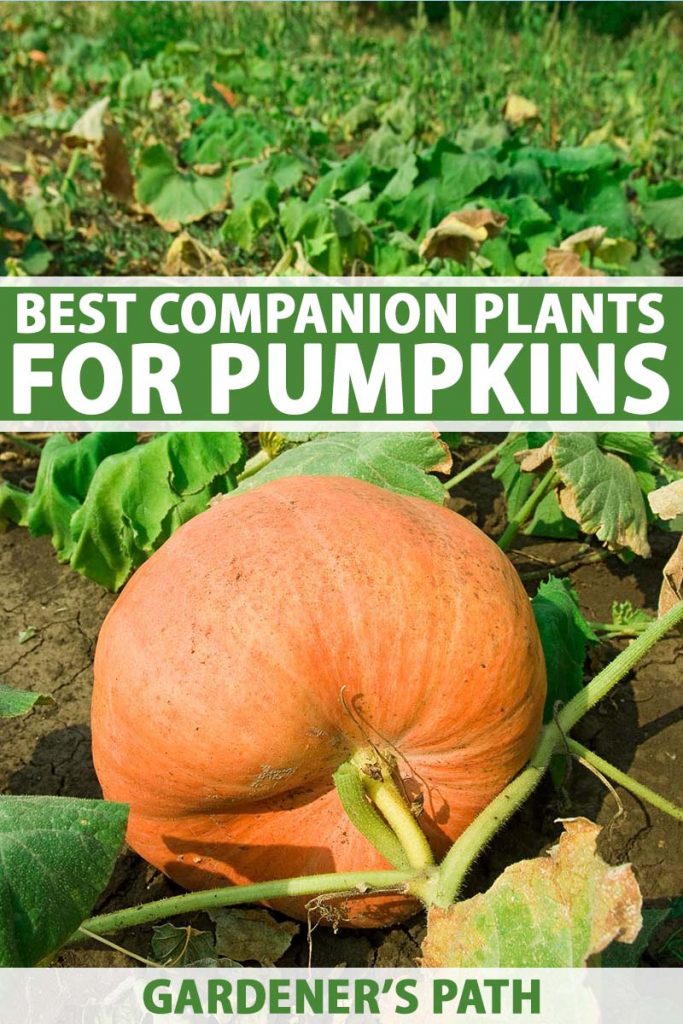
- Borage: Borage is a flowering plant that attracts beneficial insects, such as ladybugs and hoverflies. These insects help to control pests that can damage pumpkins.
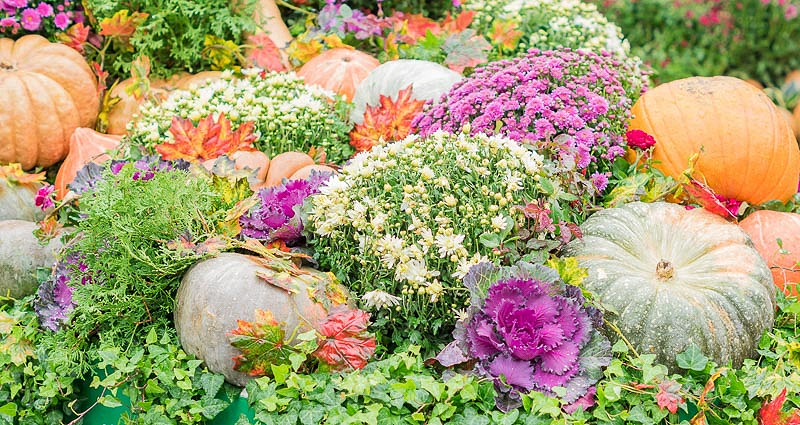
- Marigolds: Marigolds are another flowering plant that attracts beneficial insects. They also have a strong scent that can repel pests, such as squash bugs and cucumber beetles.
- Nasturtiums: Nasturtiums are a colorful and edible flower that can be planted with pumpkins. They attract beneficial insects and repel pests.
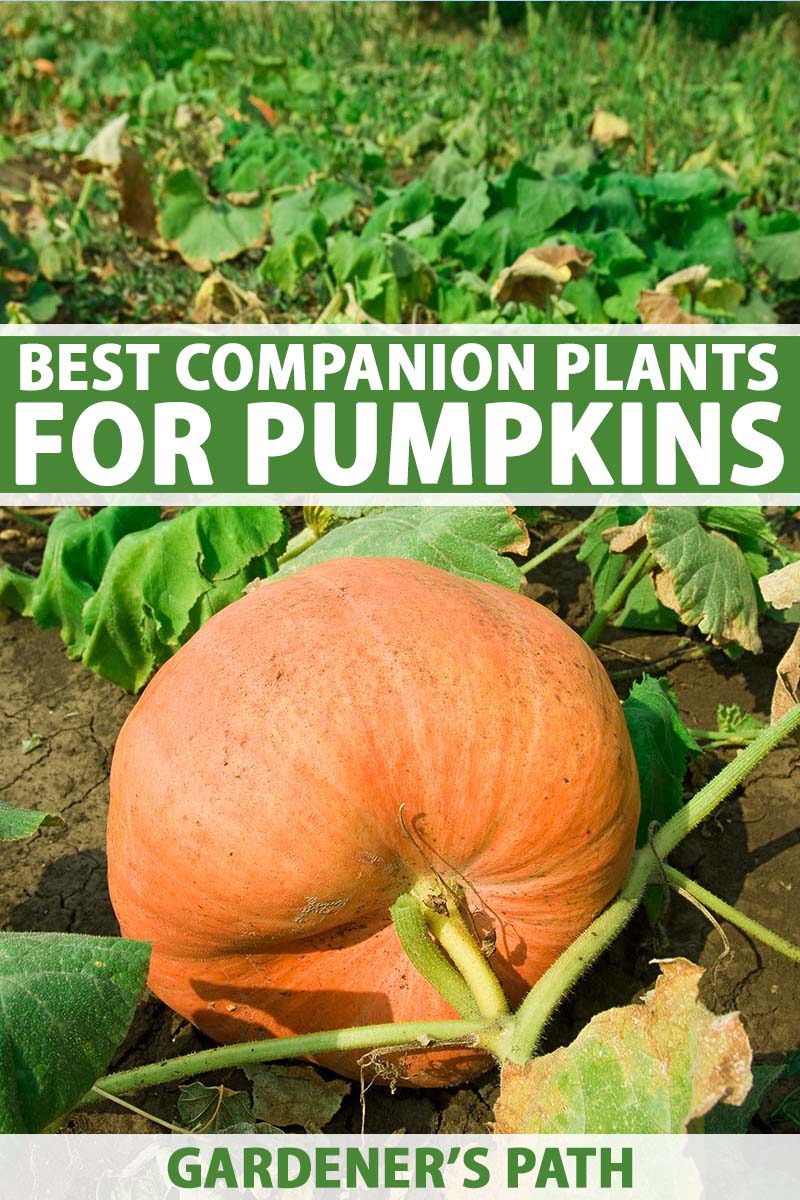
- Sunflowers: Sunflowers are tall plants that can provide shade for pumpkins. They also attract beneficial insects and can help to deter pests.
Plants to Avoid Planting with Pumpkins
There are a few plants that you should avoid planting with pumpkins. These include:
- Potatoes: Potatoes and pumpkins are both heavy feeders, and planting them together can lead to nutrient competition.
- Cabbage: Cabbage and other members of the brassica family are susceptible to the same pests as pumpkins. Planting them together can make it more difficult to control pests.
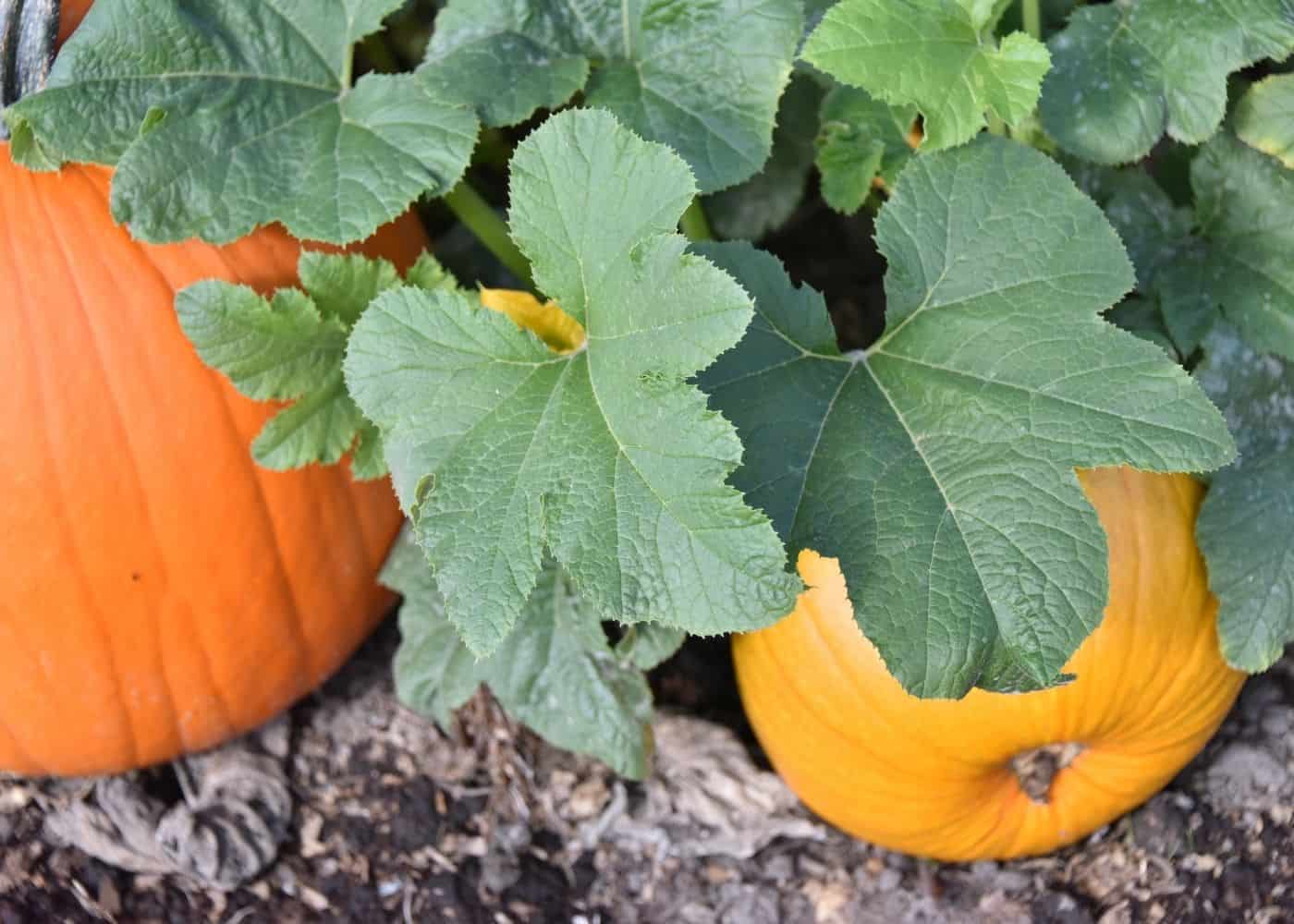
- Onions: Onions and other members of the Allium family have a strong scent that can repel beneficial insects. This can be detrimental to pumpkins, as they rely on beneficial insects for pollination.
How to Plant and Care for Pumpkins
Once you've chosen the right companion plants, it's time to plant your pumpkins. Pumpkins should be planted in full sun in well-drained soil. The soil should be amended with compost or other organic matter to improve fertility.
Plant pumpkin seeds 1-2 inches deep and 3-4 feet apart. Pumpkins require a lot of water, so be sure to water them regularly. You may also need to fertilize your pumpkins every few weeks.
As your pumpkins grow, you'll need to provide them with support. You can do this by using a trellis or a cage. This will help to keep your pumpkins off the ground and prevent them from rotting.
With proper care, your pumpkins should start to mature in about 90 days. Once they're ripe, you can harvest them and enjoy them in all sorts of delicious ways.
Conclusion
By following these tips, you can plant and care for pumpkins like a pro. With the right companion plants, you'll be sure to have a bountiful harvest.
Pumpkins are a delicious and versatile vegetable that can be enjoyed in many different ways. But did you know that there are certain plants that can help your pumpkins grow better? That's right, companion planting is a great way to improve the health and productivity of your garden.
Some of the best companion plants for pumpkins include:
- Corn: Corn is a nitrogen-fixing plant, which means it helps to add nutrients to the soil. This is beneficial for pumpkins, which are heavy feeders.
- Pole beans: Pole beans also help to add nitrogen to the soil, and they can also help to provide shade for pumpkins.
- Marigolds: Marigolds are known for their insect-repelling properties. They can help to deter pests such as aphids, beetles, and squash bugs.
- Nasturtiums: Nasturtiums are another insect-repelling plant. They can also help to attract pollinators, which are essential for fruit production.
If you're looking for more information about companion planting for pumpkins, I recommend visiting Garden Wiki. This website has a wealth of information on the topic, including a list of the best companion plants for pumpkins, as well as tips on how to plant and care for them.
FAQ of best companion plants for pumpkins
Q: What are the best companion plants for pumpkins?
A: Some of the best companion plants for pumpkins include:
- Corn: Corn is a great companion plant for pumpkins because it provides support for the pumpkin vines to climb. Corn also helps to attract pollinators to the pumpkin blossoms.
- Pole beans: Pole beans are another good companion plant for pumpkins. They help to improve the nitrogen levels in the soil, which is beneficial for pumpkins.
- Melons: Melons and pumpkins can be grown together because they have similar growing requirements. They both need full sun and well-drained soil.
- Marigolds: Marigolds are a great companion plant for pumpkins because they help to repel pests. They also attract beneficial insects, such as ladybugs, which help to control pests.
- Nasturtiums: Nasturtiums are another good companion plant for pumpkins. They help to attract pollinators and repel pests.
Q: What are some plants that should not be planted near pumpkins?
A: Some plants that should not be planted near pumpkins include:
- Potatoes: Potatoes and pumpkins compete for the same nutrients, so planting them together can lead to poor growth.
- Brassicas: Brassicas, such as broccoli, cabbage, and cauliflower, can attract pests that also target pumpkins.
- Tomatoes: Tomatoes and pumpkins can both be susceptible to the same diseases, so planting them together can increase the risk of disease.
Q: How do companion plants benefit pumpkins?
A: Companion plants can benefit pumpkins in a number of ways, including:
- Attracting pollinators: Some companion plants, such as marigolds and nasturtiums, attract pollinators to the pumpkin blossoms. This helps to improve pollination and fruit set.
- Reducing pest pressure: Some companion plants, such as marigolds and nasturtiums, repel pests. This can help to protect pumpkins from pests such as aphids, squash bugs, and cucumber beetles.
- Improving soil health: Some companion plants, such as legumes, help to improve soil health by fixing nitrogen. This can benefit pumpkins by providing them with the nutrients they need to grow.
Q: How far apart should companion plants be planted?
A: The spacing requirements for companion plants will vary depending on the specific plants involved. However, as a general rule of thumb, companion plants should be spaced at least 12 inches apart. This will give them enough space to grow and thrive.
Image of best companion plants for pumpkins
- Corn: Corn is a great companion plant for pumpkins because it provides support for the vines to climb. It also helps to attract pollinators, which are essential for pumpkins to set fruit.
- Marigolds: Marigolds are another great companion plant for pumpkins because they help to repel pests, such as squash bugs and cucumber beetles. They also add a splash of color to the garden.
- Nasturtiums: Nasturtiums are also beneficial companion plants for pumpkins because they attract pollinators and help to deter pests. They also have edible leaves and flowers that can be used in salads or as garnishes.
- Sunflowers: Sunflowers are a tall plant that can help to provide shade for pumpkins, which can help to prevent the fruit from getting sunburned. They also attract pollinators and help to deter pests.
- Borage: Borage is a flowering herb that is a good companion plant for pumpkins because it helps to attract pollinators and repel pests. It also has edible leaves that can be used in salads or as a garnish.

Post a Comment for "The Ultimate Guide To Companion Planting For Pumpkins"